J. L. Mackie. Ethics: Inventing Right and Wrong.
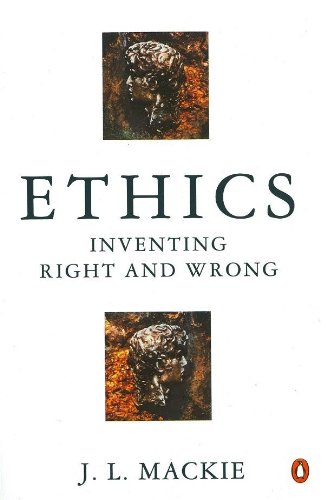
My notes on a book that argues that morality is not objective and therefore that our moral thinking is in error.
Mackie’s Ethics: Right and Wrong
An essay discussing John Mackie’s ‘Ethics: Inventing Right and Wrong,’ which strongly influenced my views on ethics, mainly from my reactions against it.
Michael Bhaskar. Human Frontiers
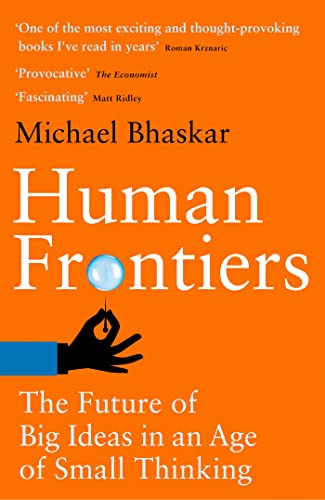
My notes on a book that suggests that growth has slowed, the Great Stagnation, as easier ideas have gone, knowledge has become more complex and society has stagnated.
Why I Am A Naturalist
A short essay arguing for naturalism and exploring its significance.
Bertrand Russell. Autobiography.
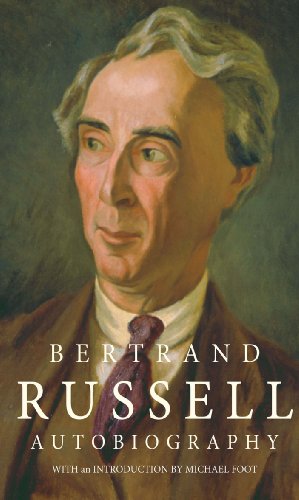
My notes on Russell’s autobiography: fascinating, inspiring, and beautifully written.
William MacAskill. What We Owe The Future
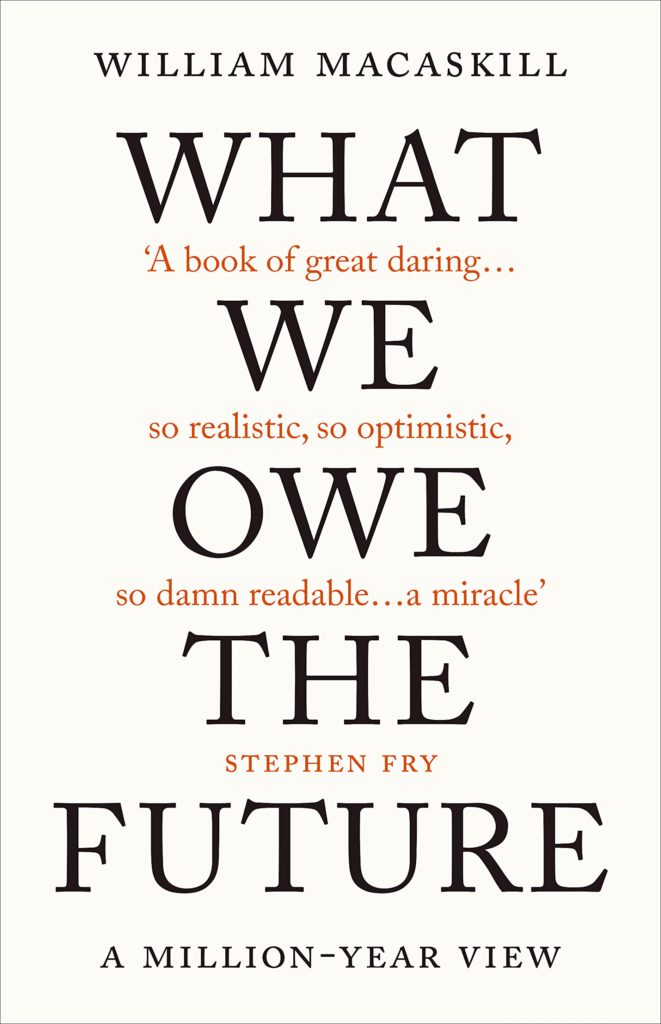
My notes on an impressive book making the case for longtermism, the view that positively influencing the future is a key moral priority. Future people count, there could be a lot of them, and we can make their lives go better.
Only Earth has Purposes and Minds

A short essay arguing that purposes and minds only arose with life on earth and, despite our instincts, these concepts should not be used more widely.
What We Owe The Future: Media List

My list of the media appearances by Will MacAskill promoting ‘What We Owe The Future, ‘ with links.
Joshua Greene on Abortion
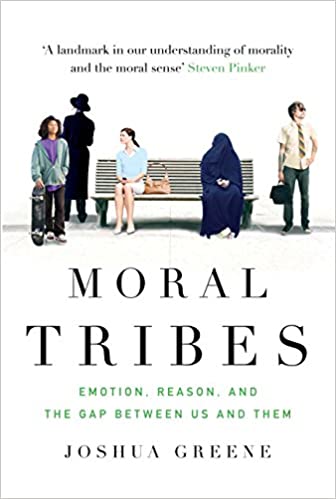
My summary of the excellent discussion of abortion by Joshua Greene in his book Moral Tribes
Yes, We Can Reason About Ends
A short essay arguing that we can reason about ends and do it all the time. Only philosophical confusions have made us think otherwise.
A Problem with Motivation
A post on the EA Forum arguing that effective altruism should recognise that motivation comes more reliably from following norms and law than from willpower.
Stephen Finlay. Confusion of Tongues
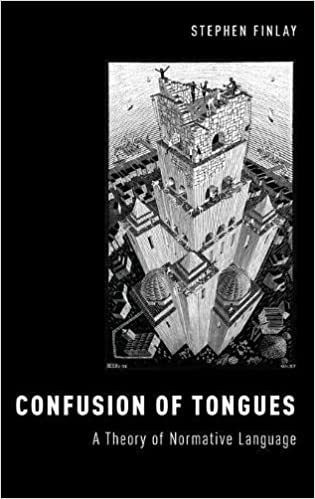
My notes on a bnook showing that normative language has an end-relational nature.
Joseph Henrich. The Weirdest People In The World
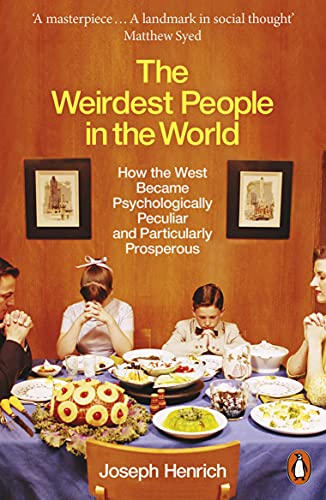
Notes on a book showing that westerners are outliers -W.E.I.R.D. – Western, Educated, Industrialized, Rich and Democratic.
James Clear. Atomic Habits
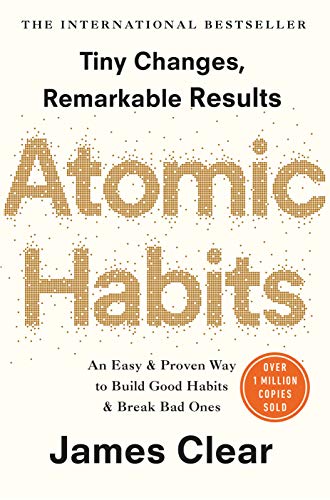
Notes on a book about the cumulative power of habits.
Steven Pinker. The Blank Slate.
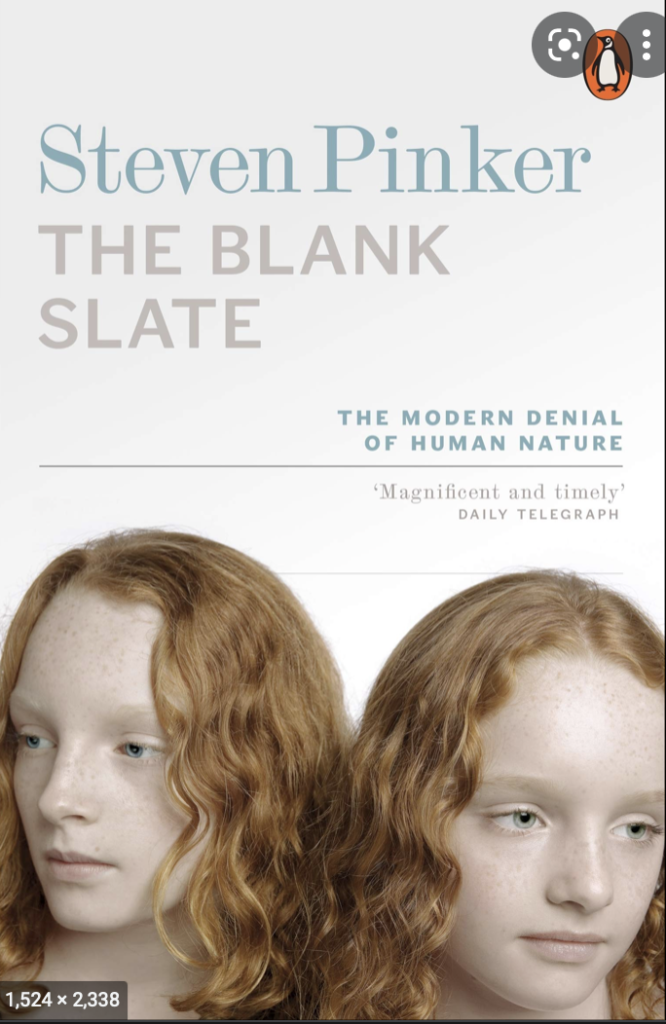
A book arguing that the doctrines of the Blank Slate, the Noble Savage and the Ghost in the Machine contradict science and commonsense.
Books on Utilitarianism
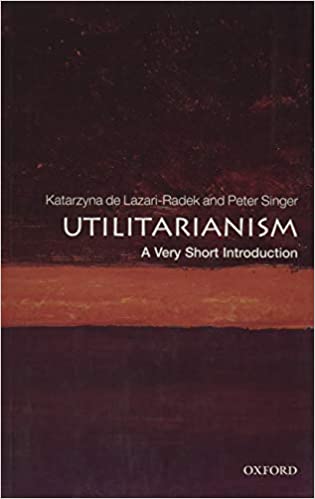
Five recommended books to introduce utilitarianism
Bullet Points on Metaethics, Utilitarianism and Effective Altruism
Brief points to set out my views on metaethics, utilitarianism and effective altruism
David Deutsch. The Beginning Of Infinity.
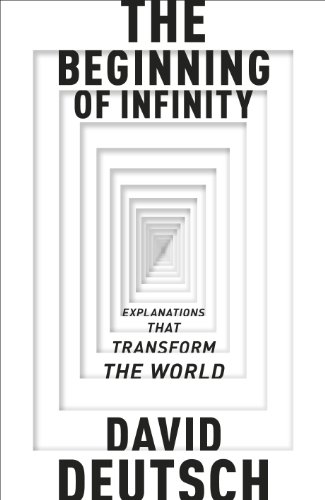
My notes on a book that argues that generation of knowledge makes humanity significant, and may be an infinite process.
Jared Diamond. Guns, Germs and Steel.

My notes on this book on long history. Eurasia was settled first due to its domesticable plants and animals, and its accessibility and scale.
William MacAskill. Doing Good Better.
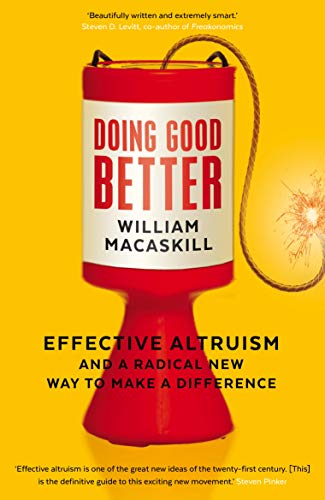
My notes on a book explaining effective altruism’s approach of using evidence and careful reasoning to find how to make the most positive difference.
Daniel Gilbert. Stumbling on Happiness.
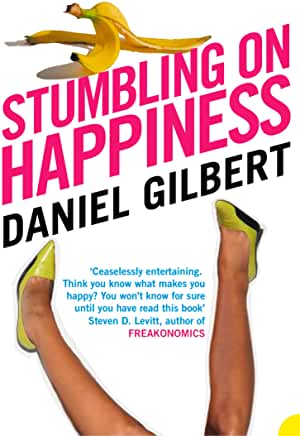
My notes on a book arguing that we use imagination to simulate our futures but make systematic errors in forecasting our happiness.
Steven Pinker. The Sense of Style.
A book on writing style, especially Classic Style for non -fiction.
Steven Pinker. Enlightenment Now.
Notes on a book showing that the enlightenment ideas of reason, science, humanism and progress have transformed human well-being.
Joseph Henrich. The Secret of our Success.
My notes on a book arguing that the secret of humanity’s success is cumulative cultural evolution.
Brian Greene. Until the End of Time.
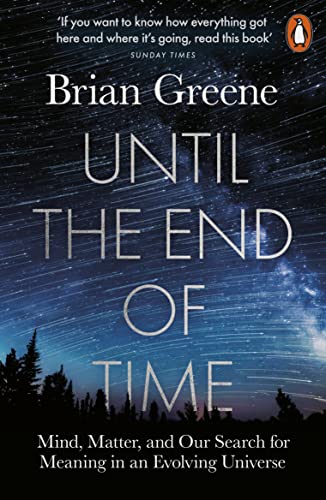
Notes on a book by a physicist that sets out a naturalistic world view and covers the trajectory of the universe.
Sean Carroll. The Big Picture.
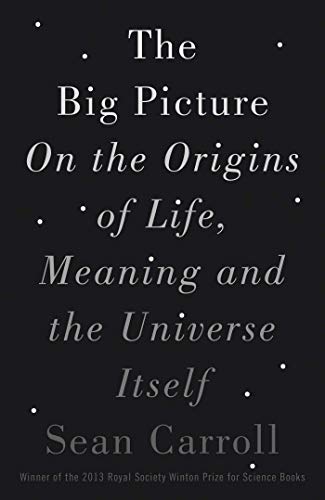
My notes on a book that presents a comprehensive naturalistic world view. Starts from levels of explanation – ‘Poetic Naturalism.’ Impressive.
Toby Ord. The Precipice.
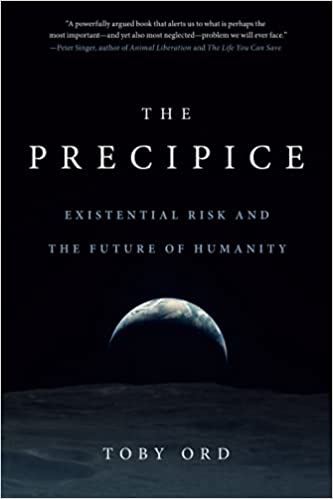
My notes on a book about existential risks. Humanity is on a precipice where it risks destroying itself and losing its great potential.
Jonathan Haidt. The Righteous Mind
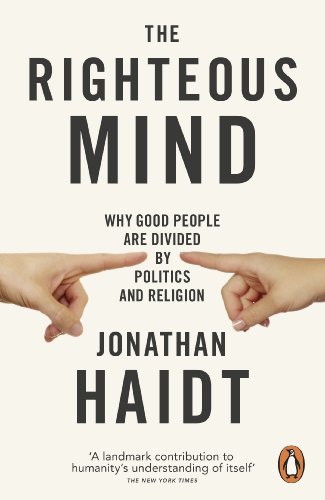
My notes on a book arguing that our minds are righteous as we make moral judgments instinctively and reasoning mainly confirms our intuitions.
Steven Pinker. The Better Angels of our Nature
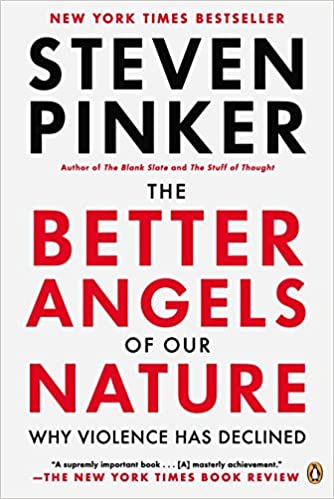
My notes on a book that argues that violence has declined over history. Wide ranging and impressive.
Sam Harris. The Moral Landscape
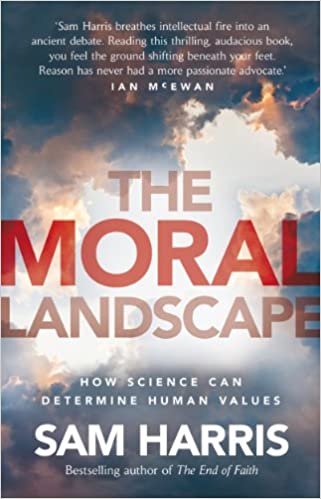
My notes on a book arguing that we should develop a science of morality rather than relying on divine authority or accepting moral relativism.